
Every office requires a dedicated meeting room where employees can meet to discuss matters pertaining to their work. Meeting rooms in Singapore are defined as purpose-built business spaces designed to support structured discussions, presentations, and collaborative work when it comes to offices in Singapore. These rooms now integrate technology, comfort, and environmental control to improve meeting efficiency.
Modern meeting rooms and conference spaces are functional environments that enable hybrid communication, support productivity, and ensure professional interaction. Businesses in Singapore require meeting rooms that align with operational demands such as reliability, accessibility, and seamless connectivity.
Technology Essentials for Modern Meeting Rooms
Technology in meeting rooms refers to the systems that enable communication, presentation, and collaboration during business discussions. It is a core requirement for both physical and hybrid meetings.
A modern meeting room in Singapore must support uninterrupted communication across devices and locations. This ensures that both in-room and remote participants can interact effectively.
The essential technology components include:
- High-speed internet to support stable video and data transmission
- Video conferencing systems for remote collaboration
- Interactive displays or smart boards for real-time input
- Wireless screen sharing for multi-device compatibility
These features reduce technical interruptions and allow meetings to proceed efficiently. Reliable technology is particularly important in Singapore's business environment, where cross-border communication is common.
Comfort and Accessibility in Meeting Rooms and Conference Spaces
Comfort in meeting rooms and conference spaces refers to the physical environment that supports prolonged focus and reduces fatigue. Accessibility ensures that the space can be used by individuals with different needs.
Meeting rooms in Singapore are expected to provide ergonomic support and inclusive design. This allows participants to remain engaged throughout discussions.
The key comfort and accessibility features include:
- Ergonomic seating to support posture during long meetings
- Adequate spacing to prevent overcrowding
- Adjustable lighting to improve visual comfort
- Barrier-free access for mobility support
A comfortable meeting environment directly contributes to productivity. Accessibility also ensures compliance with inclusive workplace standards.
Acoustic Design and Noise Management
Acoustic design refers to the control of sound within a meeting room to ensure clarity and privacy. It is essential for effective communication.
Meeting rooms must minimise both internal echo and external noise. This ensures that discussions remain clear and confidential.
The following acoustic features improve sound quality:
- Soundproof partitions to block external disturbances
- Acoustic panels to reduce echo
- Soft materials to absorb excess sound
- Proper audio equipment placement for balanced sound
In Singapore's dense commercial areas, noise control is critical. Acoustic optimisation ensures professional communication without disruption.
Aesthetic Design and Brand Alignment
Aesthetic design refers to the visual appearance of a meeting room and how it reflects a company's identity. It contributes to both functionality and perception.
Meeting rooms and conference spaces often serve as spaces where clients and stakeholders form impressions. Therefore, design should balance professionalism with usability.
Key design elements include:
- Clean and structured layouts for clarity
- Neutral colour schemes to maintain focus
- Subtle branding elements to reflect identity
- Consistent design across meeting spaces
A well-designed meeting room enhances credibility and supports a professional business image in Singapore.
Flexible Layouts for Different Meeting Types
Flexibility in meeting rooms refers to the ability to adapt the space for different functions. This allows a single room to serve multiple business purposes.
Modern meeting rooms in Singapore must accommodate various formats without requiring complex adjustments. This improves space efficiency.
Common meeting room layouts include:
- Boardroom layout for formal discussions
- Classroom layout for training sessions
- Theatre layout for presentations
- U-shape layout for collaborative interaction
Flexible layouts ensure that meeting rooms remain practical for diverse business needs.
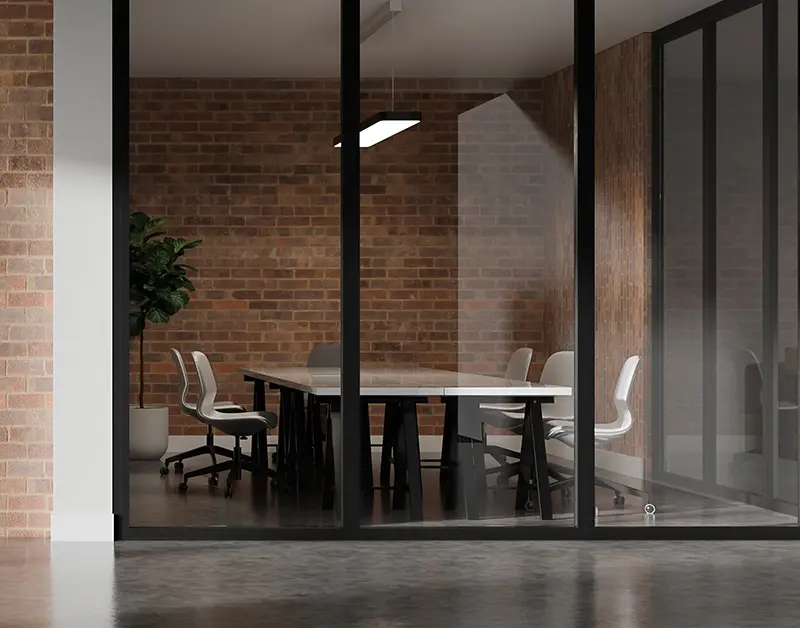
Connectivity and Integration Capabilities
Connectivity refers to how devices and systems interact within the meeting room. Integration ensures that all tools function together seamlessly.
Meeting rooms and conference spaces must allow users to connect devices quickly and operate systems without technical barriers. This reduces setup time and improves workflow.
Key connectivity features include:
- Multiple input options such as HDMI and USB
- Wireless connectivity for device pairing
- Compatibility with conferencing platforms
- Centralised control systems for equipment
Efficient integration supports smoother meetings and reduces operational delays.
Lighting and Environmental Control
Lighting and environmental control refer to the regulation of visual and physical conditions within a meeting room. These factors influence comfort and concentration.
Meeting rooms should provide adjustable lighting and stable environmental conditions to support productivity. This is particularly relevant in Singapore's climate.
Important environmental features include:
- Balanced natural and artificial lighting
- Adjustable brightness for different activities
- Air circulation to maintain comfort
- Temperature control systems
Proper environmental management ensures that participants remain focused throughout meetings.
Security and Privacy Considerations
Security in meeting rooms refers to the protection of sensitive information during discussions. Privacy ensures that conversations remain confidential.
Meeting rooms in Singapore must incorporate both physical and digital safeguards. This is essential for handling business-critical information.
Key security measures include:
- Controlled access through booking or entry systems
- Secure internet connections for data protection
- Soundproofing to prevent information leakage
- Safe storage for documents and devices
Strong security measures help maintain trust and compliance with business standards.
Maintenance and Operational Efficiency
Maintenance refers to the ongoing upkeep of meeting room facilities to ensure reliability. Operational efficiency ensures that the room is always ready for use.
Well-maintained meeting rooms and conference spaces reduce disruptions and improve user experience. This is important for businesses that rely on consistent meeting schedules.
Essential maintenance practices include:
- Regular equipment checks and updates
- Cleaning and sanitisation of spaces
- Monitoring system performance
- Prompt repair of faults
Efficient maintenance ensures that meeting rooms remain functional and dependable.
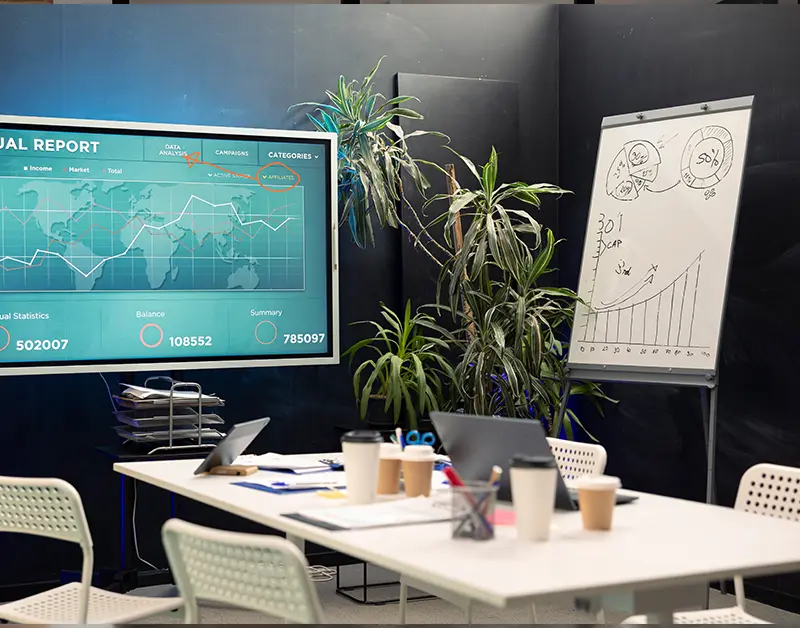
Checklist for a Fully Equipped Meeting Room and Conference Space
A fully equipped meeting room combines essential features that support communication, comfort, and efficiency. This ensures that meetings can be conducted effectively.
The following checklist summarises key requirements:
- Stable internet and conferencing tools
- Ergonomic and accessible furniture
- Effective acoustic treatment
- Professional and consistent design
- Flexible layout options
- Seamless device connectivity
- Controlled lighting and environment
- Secure and private setting
This checklist provides a practical reference for evaluating meeting rooms in Singapore.
Frequently Asked Questions (FAQs)
What are meeting rooms in Singapore used for?
Meeting rooms in Singapore are used for business discussions, presentations, training sessions, and collaborative work. They support both in-person and hybrid meetings. These spaces are designed to ensure structured and efficient communication.
What technology should a modern meeting room have?
A modern meeting room and conference space should include high-speed internet, video conferencing systems, and screen sharing capabilities. These tools enable seamless collaboration. They are essential for hybrid and remote communication.
Why is flexibility important in meeting rooms?
Flexibility allows meeting rooms to accommodate different meeting types. This improves space utilisation and reduces the need for multiple rooms. It also supports various business activities.
How does acoustic design affect meetings?
Acoustic design improves sound clarity and reduces noise interference. This ensures that participants can communicate effectively. It also helps maintain privacy during discussions.
What makes a meeting room suitable for business use?
A suitable meeting room combines technology, comfort, and accessibility. It must also provide a professional environment. These factors support productive and efficient meetings.
Building Meeting Rooms That Support Business Efficiency
Meeting rooms and conference spaces are structured environments designed to facilitate communication, collaboration, and decision-making. In Singapore, modern meeting rooms must integrate technology, comfort, and operational efficiency to meet business demands.
By ensuring that all essential features are present, organisations can create meeting spaces that support productivity and professional interaction.
For businesses evaluating suitable meeting environments, it may be useful to enquire about available meeting room configurations and requirements.