
When it comes to workspaces, there are many options, including one that is fully managed for ease and convenience. A private office is a fully managed workspace that includes furniture, infrastructure, and administrative support, allowing businesses to operate without handling office setup or maintenance. This type of workspace directly supports employee productivity and wellbeing by removing operational distractions and providing a structured, comfortable environment.
In Singapore, where efficiency and space optimisation are essential, private offices help employees focus on core tasks by combining ergonomic design, integrated facilities, and professional support services. This results in improved concentration, reduced stress, and more consistent work performance.
What Is a Private Office and Why It Matters for Productivity
A private office is a ready-to-use office space managed by a provider, offering businesses immediate access to essential workplace infrastructure. It matters for productivity because it eliminates the need for internal resource allocation toward office management.
Employees benefit from a workspace that is already optimised for daily operations. This reduces downtime, simplifies workflows, and ensures that work can begin immediately without delays caused by setup or maintenance issues.
How Office Environment Influences Employee Performance
The office environment refers to the physical and operational conditions in which employees perform their work. It influences productivity by affecting focus, comfort, and efficiency.
A well-structured environment reduces distractions and supports consistent work output. In a private office, elements such as layout, lighting, and accessibility are intentionally designed to create a stable and efficient workspace. This allows employees to maintain concentration and perform tasks with fewer interruptions.
Ergonomic Design Improves Comfort and Reduces Fatigue
Ergonomic design refers to workspace arrangements that support physical health and minimise strain during work activities. In a private office, ergonomic planning is built into furniture selection and layout design.
Employees work in environments that promote proper posture and reduce physical discomfort. This leads to fewer interruptions caused by fatigue or strain, allowing longer periods of focused work.
The core ergonomic components typically include:
- Adjustable seating that supports spinal alignment
- Desk configurations suited for screen positioning
- Lighting designed to reduce glare and eye strain
- Adequate spacing for movement and accessibility
These features help maintain consistent energy levels throughout the workday.
Integrated Facilities Support Efficient Workflows
Facilities in a private office refer to shared and private resources that enable daily business operations. These facilities improve efficiency by providing immediate access to essential tools and spaces.
Employees can conduct meetings, collaborate, and complete tasks without leaving the workplace. This reduces time lost in coordination and external arrangements.
Common facilities include:
- Meeting rooms equipped with presentation tools
- Breakout areas for informal discussions
- Pantry spaces for convenience during work hours
- Private rooms for focused or confidential tasks

Administrative Support Reduces Operational Distractions
Administrative support refers to services that handle non-core business functions such as reception, maintenance, and IT management. In a private office, these services are centrally managed.
This structure allows employees to focus entirely on their responsibilities without being interrupted by operational issues. Tasks such as visitor handling or technical troubleshooting are managed externally, improving overall workflow continuity.
The support services typically include:
- Front desk and visitor coordination
- Mail and delivery handling
- IT infrastructure management
- Cleaning and maintenance services
By removing these responsibilities, productivity is maintained at a higher level.
Flexible Workspace Enables Business Adaptability
Workspace flexibility refers to the ability to adjust office size, layout, and usage according to business needs. Private offices provide this adaptability without requiring long-term commitments.
Businesses can scale operations efficiently while maintaining a stable work environment for employees. This ensures that workspace limitations do not disrupt productivity or team dynamics.
Typical flexibility features include:
- Adjustable office sizes based on team growth
- Short-term or renewable agreements
- Access to shared facilities without setup
This adaptability supports long-term operational efficiency.
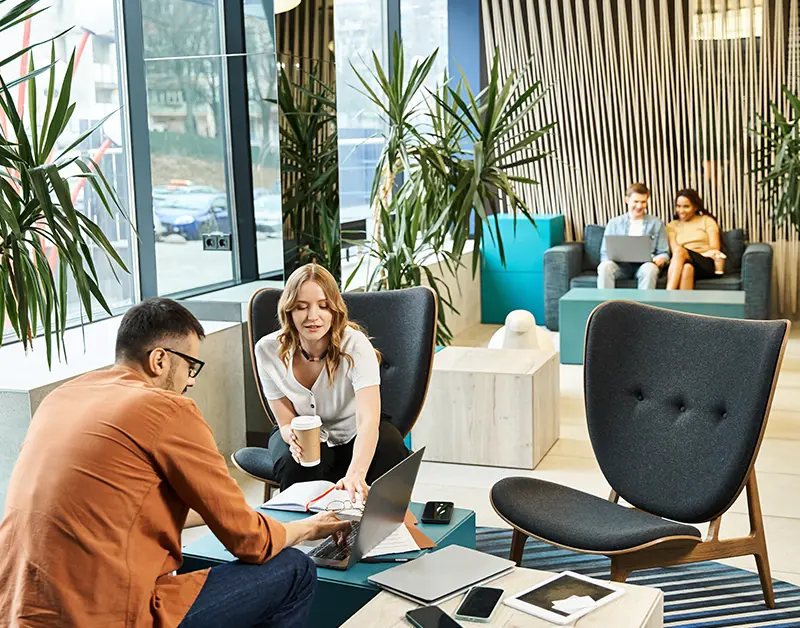
Community Environment Encourages Collaboration and Learning
A private office often hosts multiple businesses within the same environment, creating opportunities for interaction. This community structure supports collaboration and professional development.
Employees can exchange ideas, build connections, and gain exposure to different industries. This enhances problem-solving and encourages knowledge sharing.
The collaborative benefits include:
- Access to a network of professionals
- Opportunities for partnerships or referrals
- Informal learning through shared spaces
How Private Offices Support Employee Wellbeing
Employee wellbeing refers to the physical and mental condition of individuals in the workplace. A private office supports wellbeing by providing a clean, structured, and balanced work environment.
Factors such as air quality, lighting, and noise control contribute to a more comfortable workspace. These elements reduce stress and support sustained focus throughout the workday.
The key wellbeing factors include:
- Clean and professionally maintained spaces
- Controlled noise levels for concentration
- Access to natural or balanced lighting
These conditions help employees maintain consistent performance without unnecessary strain.
Why Private Offices Improve Productivity
A private office improves productivity and wellbeing by combining workspace design, operational support, and flexibility into a single solution.
The main benefits are as follows:
- Reduced distractions through managed services
- Improved comfort through ergonomic design
- Faster workflows with integrated facilities
- Enhanced collaboration in shared environments
- Greater adaptability for business growth
This structure allows employees to focus on meaningful work without operational interruptions.
Frequently Asked Questions (FAQs)
What makes a private office different from a traditional office?
A private office is fully managed and ready for immediate use, while a traditional office requires setup, maintenance, and internal resource management. This difference reduces operational workload and improves efficiency.
Why do private offices improve employee focus?
Private offices improve focus by removing administrative distractions and providing a structured environment. Employees can concentrate on tasks without interruptions from facility-related issues.
Are private offices suitable for small and growing businesses?
Private offices are suitable for both small and growing businesses due to their flexible space options. Companies can scale without relocating or committing to long-term leases.
How do private offices support mental wellbeing?
Private offices support mental wellbeing through organised layouts, quiet spaces, and reduced stress from operational responsibilities. This creates a more stable and comfortable work environment.
Can private offices support hybrid work arrangements?
Private offices can support hybrid work by offering flexible access to workspace and meeting facilities. This allows teams to collaborate when needed while maintaining adaptable schedules.
Supporting Sustainable Performance Through Better Workspaces
A private office provides a structured and efficient environment that supports both productivity and employee wellbeing. By integrating workspace design, operational support, and flexibility, it enables businesses to maintain consistent performance in a dynamic environment.
In Singapore's evolving business landscape, having a workspace that aligns with operational needs and employee expectations contributes to long-term stability and effectiveness.
For businesses reviewing workspace options that support productivity and employee wellbeing, it may be useful to enquire about suitable configurations based on operational needs.