
Choosing the right office space for rent is an operational decision that can influence employee productivity, client accessibility, business continuity and future growth. The most suitable workspace is not simply the one with the right number of desks; it should also fit the company's location requirements, working model, facilities needs and expected changes in team size.
Modern businesses have more office options than traditional commercial leasing alone. A service office in Singapore may offer a ready-to-use alternative to a conventional lease, while serviced offices, flexible workspaces and coworking environments each provide different levels of privacy, control, flexibility and operational support.
For startups and SMEs, the decision can be particularly important because workspace requirements may change quickly. A company may begin with a small team, adopt a hybrid arrangement, expand into new departments or require meeting facilities as client activity increases.
Larger organisations face similar considerations when establishing satellite teams, entering the Singapore market or creating temporary project offices.
A practical office selection process should therefore begin with business requirements rather than property appearance. Companies considering a service office in Singapore should understand how employees will use the space, how often clients will visit, what facilities are essential and how easily the office arrangement can adapt if operating conditions change. This commercial workspace selection guide for modern companies can help structure that assessment.
Understanding Office Space Options
Office space options differ mainly in how much control, flexibility and facilities management responsibility the tenant assumes. For companies seeking a service office in Singapore, the level of support included in the arrangement is an important point of comparison.
Businesses should understand these differences before comparing individual locations.
Traditional Office Leases
A traditional office lease generally gives a company greater control over its private premises.
The tenant may have more freedom to customise the layout, branding, furniture and internal facilities. This can be suitable for businesses with stable long-term requirements or specialised workplace needs.
However, traditional premises may also require more preparation and administration.
The business may need to coordinate fit-out work, furniture, internet connectivity, utilities, maintenance and other workplace services independently.
For organisations with established facilities and property teams, this may be manageable. Smaller businesses may find the setup and ongoing administration more demanding.
Serviced Offices
A serviced office is a furnished, professionally managed workspace where many workplace facilities are already established. This type of service office can help businesses establish a professional presence in Singapore without coordinating every aspect of the initial setup themselves.
Businesses typically occupy a private office space while sharing selected facilities such as reception areas, meeting rooms or common areas.
Serviced offices can suit companies that want a professional and relatively private working environment without managing every physical aspect of the office themselves. They may be especially practical for businesses that need a service office in Singapore with established facilities and day-to-day support.
This can be particularly relevant for growing companies, small regional teams and businesses entering Singapore.
Flexible Office Space
A flexible office space provides adaptable workspace arrangements designed to respond to changing business requirements.
The model may include private offices, managed workspace, meeting facilities and shared amenities.
A flexible workspace can be useful when a company is unsure how much office capacity it will require in the future.
The main consideration is adaptability rather than a specific office format.
Coworking Space
Coworking spaces generally provide shared work environments used by individuals and employees from different organisations.
Some locations focus primarily on open-plan shared desks, while others provide private offices within a broader coworking environment.
Coworking can suit freelancers, startups, small teams and organisations that value shared facilities.
However, companies requiring higher levels of privacy or dedicated space should review the exact configuration carefully.
Comparing Common Office Space Options
Different workspace models support different business requirements, so companies should compare them according to operational priorities.
The following table summarises several common differences.
| Consideration | Traditional Office | Serviced Office | Flexible Office | Coworking |
|---|---|---|---|---|
| Private workspace | Usually | Usually | Often | Varies |
| Furniture provided | Usually no | Commonly | Commonly | Commonly |
| Managed facilities | Limited | High | High | High |
| Setup required | Often substantial | Limited | Limited | Minimal |
| Scalability | Depends on lease | Often available | Key feature | Often available |
| Shared meeting rooms | Depends on premises | Common | Common | Common |
| Customisation | Usually high | Moderate | Moderate | Limited |
| Suitable for hybrid teams | Possible | Yes | Yes | Yes |
The most appropriate model depends on the organisation's operational requirements.
A company requiring complete control over its premises may prefer a traditional office. A business prioritising convenience and adaptability may find serviced or flexible workspace more practical.
Why Choosing the Right Office Space Matters
The right office supports business operations by providing an environment that aligns with how employees, clients and management actually use the workplace.
An unsuitable office can create operational difficulties even when it appears attractive or is located in a recognised commercial district.
For example, an office that is too small can create overcrowding as a team grows. A larger-than-required office may remain underused, particularly if the organisation follows a hybrid working model.
Poor accessibility can also affect employees and visitors.
If staff regularly spend excessive time reaching the office or clients find the location inconvenient, the workspace may create friction in day-to-day operations.
The office should therefore support several functions at the same time:
- Employee productivity
- Collaboration and meetings
- Client and visitor access
- Privacy and security
- Technology requirements
- Future organisational changes
These factors make office selection a business planning exercise rather than a simple property search.
Key Factors to Consider When Renting an Office Space
Businesses should assess office space according to location, operational fit, lease flexibility, facilities and future scalability. When comparing a service office in Singapore, they should also confirm which services are included in the rental arrangement and which may incur additional charges.
Each factor affects how effectively the workplace can support the organisation.
Location and Accessibility
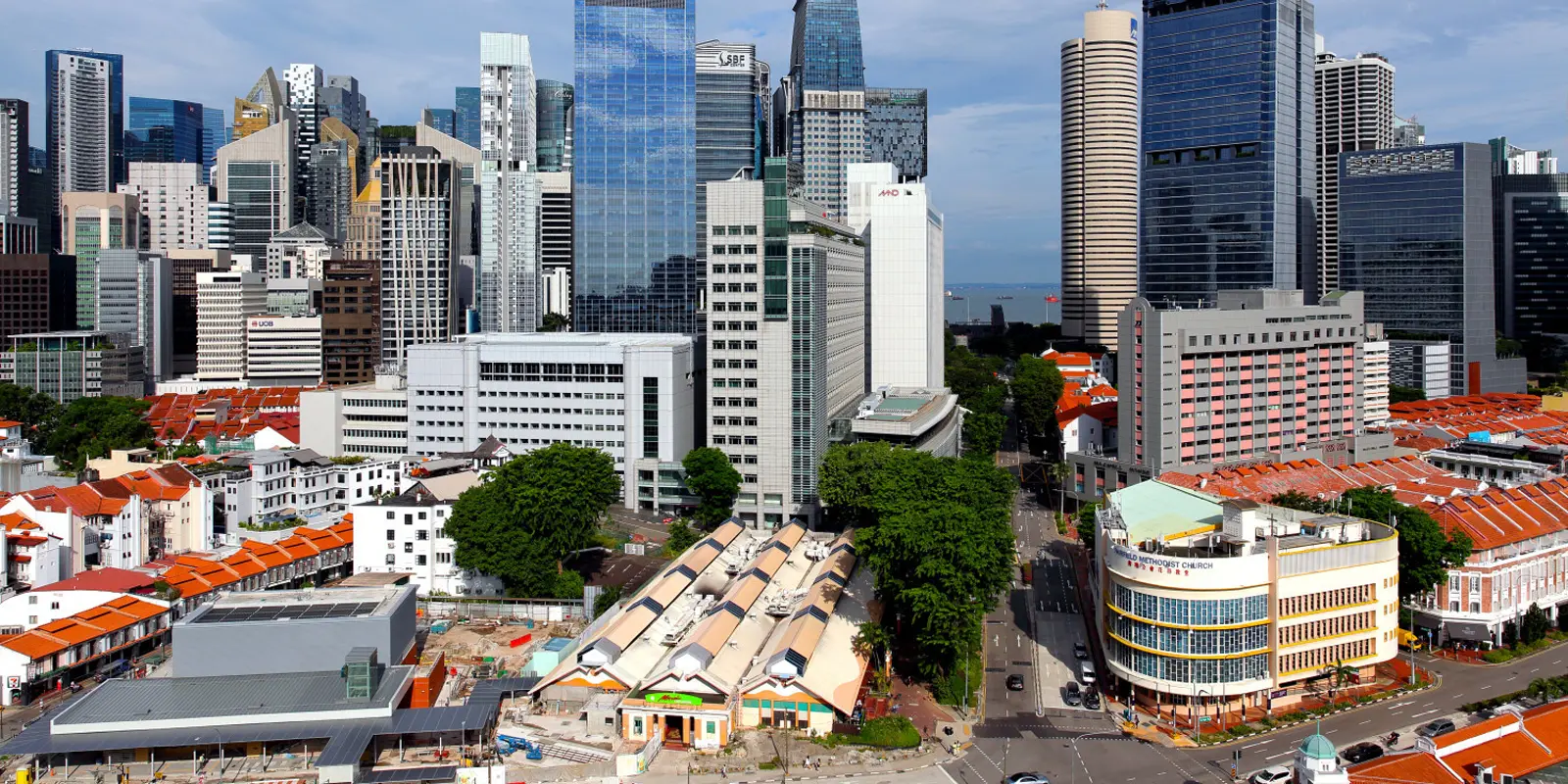
Location is one of the most important considerations because it affects employees, clients, suppliers and business partners.
In Singapore, access to MRT stations and major transport connections can significantly influence workplace convenience.
A central business location may suit organisations that frequently meet clients or work with professional services firms. Other locations may be more practical if employees, customers or operational partners are concentrated elsewhere.
Companies should evaluate location according to actual usage rather than reputation alone.
Useful questions include:
- How easily can employees reach the office?
- Is the location convenient for clients and visitors?
- Are public transport options nearby?
- Are useful amenities available within the surrounding area?
- Does the location support the organisation's business activities?
A well-known address does not automatically make an office operationally suitable.
Accessibility should remain the primary consideration.
Understanding Workspace Requirements
Workspace requirements should reflect how employees actually work rather than relying only on total headcount.
A company with 40 employees does not necessarily need 40 permanent desks.
Hybrid working, client visits, field work and travel schedules can affect daily office attendance.
Businesses should therefore determine peak occupancy.
Peak occupancy refers to the highest number of employees who are likely to use the office at the same time under normal working arrangements.
Understanding this figure can help avoid selecting a space that is either unnecessarily large or too restrictive.
Companies should also consider the type of work employees perform.
Teams handling confidential information may need enclosed private offices. Collaborative teams may require more meeting areas. Employees performing focused analytical work may need quieter environments.
The physical configuration should match these activities.
Lease Flexibility
Lease flexibility determines how easily a business can change its workspace if operational requirements change.
This is particularly important for companies with uncertain growth projections.
A long-term lease may provide stability for an organisation with predictable requirements. However, it can be less suitable for businesses expecting significant changes in workforce size, hybrid working arrangements or market activity.
Flexible business workspace options can give organisations more ability to reconsider their office requirements over time. Depending on the provider and contract, a service office in Singapore may also offer a practical way to review workspace needs as a team grows or its working arrangements evolve.
Businesses should understand several contractual factors before selecting a workspace:
- Length of the commitment
- Notice requirements
- Options to expand or reduce space
- Renewal conditions
- Rules relating to workspace changes
The exact terms vary between providers and lease structures.
Companies should therefore review contracts in detail rather than assuming that all flexible or serviced offices have identical conditions.
Facilities and Amenities
Office facilities affect everyday workplace functionality. For businesses considering a service office in Singapore, it is worth checking which facilities are available on-site and whether access is included in the rental fee.
Businesses should distinguish between amenities that are genuinely useful and those that have little relevance to their operations.
Common facilities may include meeting rooms, reception areas, internet connectivity, common spaces and visitor management.
A business that frequently hosts external meetings may place significant value on professional meeting facilities.
A company whose employees work almost entirely internally may place less emphasis on client-facing areas and more emphasis on desk configuration or private rooms.
Professional office environments for business productivity should therefore be evaluated according to actual employee and business activities.
Facilities should support work rather than simply add visual appeal.
Meeting Room Requirements
Meeting room requirements should be based on frequency, group size and the type of discussions the organisation conducts.
A company that holds several client meetings every week may need regular access to private professional rooms.
Internal teams may require meeting space for training, planning sessions or confidential discussions.
Shared meeting facilities can be efficient because the business does not need to allocate part of its private office permanently to rooms that may only be used occasionally.
However, businesses should confirm how meeting rooms are booked and whether availability is adequate during busy periods.
The value of a meeting facility depends on whether employees can access it when needed.
Internet and Technology Infrastructure
Technology infrastructure should be assessed before selecting an office because connectivity is essential to most business operations.
A workspace may look suitable physically but still be inappropriate if its technology environment does not support the company's requirements.
Businesses should consider internet reliability, network arrangements and any limitations on installing their own equipment.
Companies with specialised systems may require dedicated telecommunications or security arrangements.
Regulated organisations may also need to assess whether the physical and digital environment supports their internal compliance requirements.
Workspace providers manage the building environment, but the individual company remains responsible for protecting its own business information and technology systems.
Privacy and Security
Privacy and security requirements vary according to the type of business and information being handled.
Companies dealing with confidential client information, financial records, legal matters or sensitive internal discussions may require enclosed private offices.
Physical access procedures are also important.
Businesses should understand how employees, visitors and external contractors enter the workplace.
In flexible or shared office environments, organisations should evaluate how their private workspace is separated from common areas.
Security is not limited to locks and access cards.
Companies should also consider screen privacy, meeting room confidentiality, document storage and network security.
Business Image and Professional Environment
A professional office environment can support a company's interactions with clients, candidates and business partners.
The workplace often forms part of the organisation's physical representation.
This does not mean that businesses need elaborate premises.
Professionalism is more closely associated with suitability, organisation, accessibility and the ability to conduct business activities effectively.
A clean reception environment, appropriate meeting rooms and an orderly workspace can help create a consistent setting for external interactions.
Companies should select a workplace that reflects how they actually operate rather than choosing an office primarily for visual status.
Scalability and Future Growth
Scalability refers to the ability of an office space to accommodate changing workforce and operational requirements.
Businesses should consider future changes even when selecting a workspace for immediate needs.
Growth does not always occur steadily.
A business might add a new department, expand a project team or hire employees faster than expected.
The opposite can also occur. A company may restructure, complete a major project or increase remote working.
Scalable office arrangements can make these transitions easier when suitable alternative workspace is available.
Businesses should ask whether the office provider or building can support additional desks, larger private offices or different configurations in the future.
The answer should form part of the original selection decision.
Benefits of Renting an Office Space
Renting an office space gives businesses access to professional premises without requiring ownership of commercial property.
The operational benefits depend on the workspace model selected.
Greater Operational Flexibility
Rental arrangements can allow businesses to choose workspace according to current operational requirements.
This can be particularly useful for companies that are still developing their long-term property strategy.
Flexible or serviced environments may provide additional adaptability because businesses can potentially change workspace configurations more easily.
The important factor is alignment.
The office should provide enough stability for employees while allowing the company to respond when requirements change.
Access to Professional Facilities
An office rental can provide access to facilities that support daily business operations.
Managed workspace environments may include reception services, meeting rooms, common areas and basic workplace infrastructure.
Small organisations may find these facilities particularly useful because they can access a broader professional environment without establishing each element independently.
Facilities should still be evaluated according to usage.
A business should avoid selecting a workspace because of amenities that employees are unlikely to use.
Operational Convenience
A managed service office in Singapore can reduce the number of workplace responsibilities handled directly by the tenant.
Routine matters such as common-area maintenance, cleaning and reception operations may be managed by the provider.
This can help businesses without dedicated facilities teams.
The organisation still needs to manage its own employees, devices, systems and internal policies.
However, fewer workplace functions need to be coordinated separately.
Support for Hybrid Working
Rental office models can support hybrid working by providing a central workplace while allowing businesses to reconsider how much permanent space they require.
Hybrid teams often use the office differently from traditional office-based organisations.
Employees may come together for collaboration, meetings, training or activities that benefit from face-to-face interaction.
The office can therefore function as a shared organisational hub.
Companies should assess peak attendance and collaboration patterns when deciding how much workspace they need.
Choosing an Office Space for Startups and SMEs
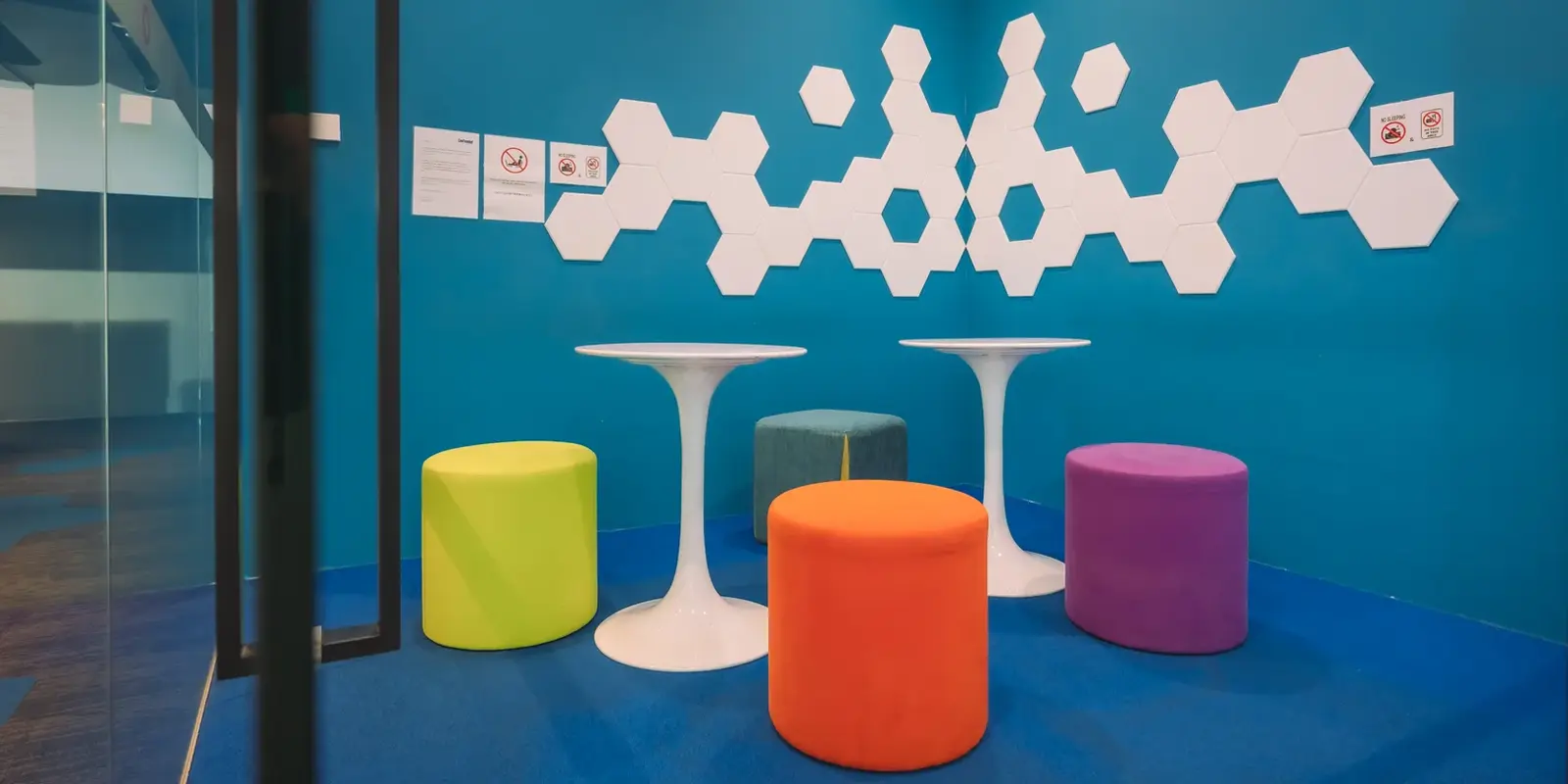
Startups and SMEs should prioritise adaptability, operational simplicity and realistic workspace requirements when evaluating an office space. A service office in Singapore may be worth considering when a business wants a professional base without taking on the full setup and management responsibilities of a conventional office.
Smaller businesses may not have dedicated facilities teams or long-term workforce forecasts.
This makes flexibility especially important.
Affordable business workspace options for startups and SMEs should not be evaluated only according to headline rental considerations.
The broader operational requirement matters.
A workspace that requires significant internal management may place an unnecessary burden on a small team.
Startups should consider how quickly their employee numbers could change.
SMEs should examine whether the office can support existing operations while allowing reasonable future adjustments.
Professional meeting facilities can also be important for smaller organisations that regularly interact with clients but do not require permanent conference rooms.
Choosing an Office Space for Growing Businesses
Growing businesses should select an office space based on both current workforce needs and realistic expansion scenarios.
The objective is not to predict future headcount perfectly.
It is to avoid choosing a workplace that becomes unsuitable after a relatively small change in the organisation.
Best office rental solutions for growing businesses typically provide sufficient adaptability to accommodate recruitment, new teams or evolving working models.
Companies should consider whether growth would require moving to a completely new building or whether additional capacity could be available within the same workplace environment.
Moving offices can disrupt employees and operations.
A workspace that provides expansion options may help reduce the frequency of major relocations.
Choosing a Flexible Workspace for Your Company
Choosing a flexible workspace requires evaluating how the provider's facilities and office configurations fit the organisation's working model.
Businesses should begin with essential criteria rather than browsing locations without a clear framework.
A practical selection process may include the following steps:
- Define Team Requirements: Establish current headcount, peak attendance and expected changes.
- Determine location Priorities: Identify transport and client-access requirements.
- List Essential Facilities: Define meeting, privacy, reception and technology needs.
- Review Flexibility: Understand how easily the workspace can change if requirements develop.
- Assess Operational Fit: Confirm that the environment supports everyday employee activities.
- Review Contractual Terms: Understand responsibilities and conditions before committing.
This approach makes office selection easier to compare across different workspace models.
The decision becomes based on business requirements rather than individual property features.
Common Mistakes to Avoid When Renting an Office Space
Common office rental mistakes usually occur when businesses focus on immediate requirements while overlooking operational and future considerations.
Avoiding these errors can help organisations make more sustainable workspace decisions.
Committing to More Space Than Required
Businesses sometimes select larger premises because they expect substantial future recruitment.
Future growth should be considered, but excessive unused space can create operational inefficiency.
Companies should balance realistic growth expectations with current requirements.
Flexible expansion options may provide an alternative to taking substantially more space than the business presently needs.
Selecting Space That Cannot Support Growth
The opposite problem occurs when a company chooses an office that fits its current team exactly but provides no room for change.
Even a modest increase in headcount can make the environment uncomfortable or operationally restrictive.
Businesses expecting growth should understand what expansion options are available before occupying the space.
Ignoring Accessibility
Location decisions sometimes focus heavily on business prestige or building appearance.
Employee and client accessibility should carry greater practical weight.
An office that is consistently difficult to reach can affect attendance patterns and visitor experience.
Transport connectivity should therefore be assessed early in the selection process.
Overlooking Operational Responsibilities
Businesses should understand who is responsible for maintenance, internet arrangements, cleaning, common facilities and other workplace services.
These responsibilities vary significantly between traditional and managed offices.
An apparently straightforward office arrangement can become administratively demanding if expectations are unclear.
Focusing Only on Appearance
Office design matters, but visual appearance should not outweigh functionality.
A stylish workspace may still be unsuitable if meeting rooms are insufficient, privacy is limited or employees cannot work comfortably.
The most effective office is one that supports actual business activities.
Ignoring Hybrid Working Patterns
Companies should not automatically allocate permanent workspace according to total employee numbers.
If the organisation follows a structured hybrid model, daily attendance may be considerably lower than overall headcount.
Understanding actual usage can help businesses select workspace more accurately.
How to Compare Different Office Locations
Comparing office locations is most effective when businesses use consistent criteria rather than relying on general impressions.
A structured comparison helps identify the workspace that best supports operations.
Companies can assess each option according to five areas.
Accessibility
Evaluate transport links, employee commuting and client convenience.
The office should be reasonably accessible to the people who use it most frequently.
Workspace Functionality
Review private offices, workstations, meeting rooms and common facilities.
The environment should support both individual and collaborative work.
Flexibility
Determine whether the workspace can adapt if team requirements change.
Expansion and adjustment options should be considered before moving in.
Infrastructure
Assess internet connectivity, building services and workplace management.
Companies should verify whether additional technical requirements can be accommodated.
Working Environment
Review privacy, noise levels, natural light, common areas and overall workplace usability.
Employees will interact with these conditions every working day.
A systematic comparison can therefore reveal differences that are not obvious during an initial viewing.
Office Space and Employee Productivity
An office space can influence productivity when its layout and facilities support the tasks employees need to perform.
Productivity is not determined by office design alone.
Management, technology, workload, communication and organisational culture also play major roles.
However, an inappropriate workspace can create avoidable distractions.
Employees performing focused work may struggle in consistently noisy environments.
Teams conducting confidential discussions require private areas.
Collaborative departments benefit from spaces where meetings can take place without disrupting other employees.
A professional office environment for business productivity should therefore provide a balance between focused work, communication and collaboration.
The appropriate balance depends on the organisation.
Office Space and Client Experience
An office space can influence client experience by affecting accessibility, meeting quality and the professionalism of face-to-face interactions.
Companies that rarely host clients may place less emphasis on reception and meeting areas.
Organisations that conduct regular client meetings should examine these facilities more carefully.
Visitors should be able to locate the office easily and enter the building without unnecessary complications.
Meeting spaces should provide sufficient privacy and appropriate working facilities.
The workplace does not need to be elaborate.
It needs to support the type of interaction the company expects to conduct there.
Office Selection for International Companies Entering Singapore

International companies entering Singapore should select an office space based on their initial operational requirements while considering possible future expansion. A service office in Singapore can provide a practical starting point for a small market-entry team that needs an established workplace while assessing its longer-term requirements.
Market-entry teams are often relatively small.
The long-term size of the operation may not yet be known.
A traditional office designed around expected future growth can therefore involve unnecessary complexity during the early stages of market entry.
Serviced or flexible environments can provide an alternative.
The company can establish a physical business base while assessing recruitment, customer activity and regional requirements.
The office addresses workplace needs only.
International organisations must separately ensure that their Singapore operations meet applicable corporate, employment, tax and regulatory requirements.
Questions to Ask Before Signing for an Office Space
Businesses should ask practical questions that clarify how the office will function after occupancy.
The answers can help identify operational limitations before they become problems.
Useful questions include:
- What facilities and services are included?
- How is internet connectivity managed?
- What meeting rooms are available?
- How are visitors handled?
- Can the workspace expand if the team grows?
- What privacy and access arrangements are in place?
These questions should be supplemented with organisation-specific requirements.
A company with specialised technology needs should ask technical questions. A client-facing consultancy may focus more heavily on meeting facilities and accessibility.
The evaluation should reflect actual business operations.
Frequently Asked Questions (FAQs)
What type of office space is best for a small business?
The best office type depends on team size, working patterns, privacy needs and growth plans. Small businesses often consider serviced or flexible offices because they provide established facilities while reducing the amount of workplace management handled internally.
What should I look for when choosing an office space for rent?
Businesses should assess location, accessibility, workspace configuration, lease flexibility, facilities, connectivity, privacy and potential scalability. The space should support both current business activities and realistic future changes.
What is the difference between a serviced office and a traditional office?
A serviced office usually includes furniture and managed workplace facilities, while a traditional office generally gives the tenant more responsibility for setup and ongoing management. Traditional offices may provide greater customisation, while serviced offices typically require less preparation.
Is coworking suitable for an established company?
Coworking can suit established businesses when the environment provides appropriate privacy, security and workspace configuration. Larger organisations may use coworking or flexible offices for satellite teams, temporary projects or additional capacity.
How important is location when renting an office in Singapore?
Location is important because it affects employee commuting, client access and day-to-day business convenience. Proximity to MRT stations and relevant commercial areas can improve accessibility, but the best location depends on the organisation's specific workforce and client requirements.
Should a company rent extra space for future employees?
Some additional capacity can be useful when growth is expected, but businesses should avoid relying on highly uncertain forecasts. Flexible workspace or expansion options may provide a more adaptable alternative to maintaining substantially more office space than currently required.
Can a flexible office space support hybrid teams?
A flexible office space can support hybrid teams by allowing businesses to plan capacity around actual office attendance. Companies should understand peak occupancy, meeting demand and collaboration requirements when selecting the workspace.
What facilities should a professional office provide?
Essential facilities depend on the organisation, but businesses commonly assess reliable connectivity, suitable workstations, meeting areas, privacy, building access and visitor facilities. The emphasis should remain on facilities that employees and clients will actually use.
Choosing a Workspace With a Long-Term Business Fit in Mind
The right office space supports employees, clients and business operations while remaining appropriate as organisational requirements develop.
Businesses should therefore avoid treating office selection as a decision based only on location, appearance or immediate availability.
Workspace type, accessibility, lease flexibility, facilities, technology, privacy and scalability all affect long-term suitability.
Traditional leases can be appropriate for companies requiring substantial control and customisation. Serviced offices, coworking environments and flexible workspaces can provide alternatives for organisations that prioritise managed facilities and adaptability.
For modern businesses, the most effective approach is to define operational requirements first and compare office options against those needs.
A suitable office is one that works for the organisation today without unnecessarily limiting how the business may operate tomorrow.
Find an Office Environment That Fits Your Business
Businesses evaluating an office space for rent or a service office in Singapore can begin by comparing their team requirements, working arrangements, accessibility needs and expected changes against the facilities available at each location.
Centennial Business Suites provides professional office environments for businesses with different operational and workspace requirements. To discuss available office arrangements and assess whether they suit your organisation, please reach out to our team via email at [email protected] or call/WhatsApp on (+65) 9230 2206.