
When it comes to working environments, employees or individuals may opt for different types based on their specific needs. A coworking office space is a shared working environment designed to support individuals and teams through flexible layouts, shared resources, and adaptable work settings. The effectiveness of this environment directly impacts productivity, collaboration, and user satisfaction.
In Singapore, businesses prioritise efficiency and scalability, coworking spaces are designed to maximise limited space while supporting diverse work styles. A well-designed coworking office space balances functionality, comfort, and flexibility, ensuring it can accommodate both short-term users and long-term teams.
What Defines an Effective Coworking Office Space
An effective coworking office space is defined by its ability to support multiple work modes within a single environment. This includes focused work, collaboration, meetings, and informal interactions.
The key characteristics of a well-designed space include:
- Clear zoning between quiet and collaborative areas
- Flexible layouts that adapt to changing team sizes
- Reliable infrastructure for uninterrupted work
- Comfortable and ergonomic workstations
These elements ensure the workspace remains practical, scalable, and suitable for different industries.
Space Layout and Zoning
Space layout and zoning refer to how a coworking office space is divided into functional areas to support different types of work. Proper zoning reduces distractions and improves workflow efficiency.
Each zone serves a distinct purpose and should be clearly defined to maintain order within a shared environment.
A typical zoning structure includes:
- Quiet areas for focused and individual work
- Collaboration zones for discussions and team activities
- Private rooms for meetings and confidential tasks
- Breakout spaces for informal interaction or rest
- Outdoor areas for employees to work from or take a break
A well-zoned coworking office space ensures that users can transition between tasks without disrupting others, which is critical for maintaining productivity.
How Layout Impacts Productivity
Workspace layout directly affects how individuals interact with their environment and perform tasks. Poor layout design can lead to noise disruption, congestion, and inefficiencies.
An optimised layout improves productivity by:
- Reducing unnecessary movement within the workspace
- Ensuring that employees have access to their own table and pedestal
- Minimising noise interference between zones
- Improving accessibility to shared resources, thus reducing the need for complete privacy
- Supporting both independent and team-based work
- Ensuring that workspaces are located close to shared amenities, such as a pantry
This structured approach allows users to work efficiently without friction.

Furniture and Ergonomics
Furniture and ergonomics refer to how workstations are designed to support comfort, posture, and long-term usability. In a coworking office space, furniture must cater to a wide range of users.
Ergonomic design improves productivity by reducing fatigue and discomfort. Adjustable and modular furniture ensures flexibility without compromising comfort.
Important ergonomic features include:
- Adjustable desks to support sitting and standing work
- Chairs with proper lumbar support
- Modular furniture for adaptable layouts
- Adequate spacing between workstations
Providing ergonomic furniture ensures that the workspace remains suitable for extended use.
Technology and Infrastructure
Technology and infrastructure refer to the systems that support communication, connectivity, and operations within a coworking office space. Reliable infrastructure is essential for uninterrupted work.
Core infrastructure requirements include:
- High-speed and stable internet connectivity
- Meeting room technology for video conferencing
- Printing and scanning facilities
- Accessible power outlets and charging points
Without strong infrastructure, even well-designed spaces can fail to meet user expectations. Consistent performance is critical for both individual and team productivity.
Aesthetics and Workspace Identity
Aesthetics in a coworking office space refer to visual design elements that influence user experience, focus, and comfort. While functionality remains the priority, design contributes to how users perceive and interact with the space.
Effective aesthetic design includes:
- Neutral and professional colour schemes
- Balanced lighting using natural and artificial sources
- Durable materials that maintain long-term quality
- Minimal but cohesive branding elements
A well-designed environment supports mental clarity and creates a consistent working atmosphere.
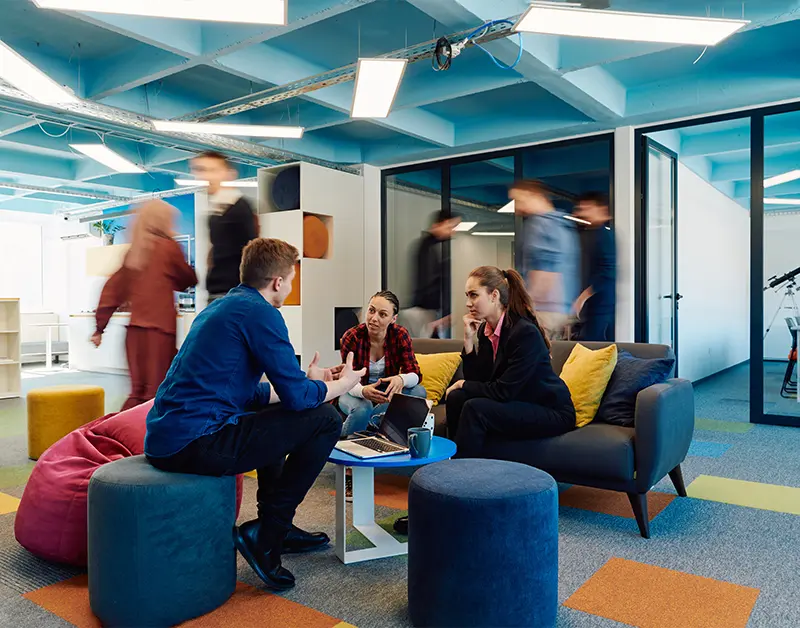
Accessibility and User Experience
Accessibility refers to how easily users can navigate and utilise a coworking office space. User experience is shaped by how intuitive and efficient the space feels during daily use.
Some key accessibility considerations include:
- Clear pathways to avoid congestion
- Logical placement of amenities
- Visible signage for navigation
- Inclusive design for different mobility needs
Improved accessibility reduces friction and ensures that all users can interact with the space comfortably.
Flexibility and Scalability
Flexibility and scalability define how easily a coworking office space can adapt to changing requirements. This is essential for businesses that experience growth or shifting team structures.
Strategies that support flexibility include:
- Modular partitions that can be reconfigured
- Multi-purpose areas for different activities
- Hot-desking setups for flexible usage
- Expandable seating arrangements
A flexible workspace ensures long-term usability without requiring major redesign.
Coworking vs Traditional Office Setup
A coworking office space differs from traditional offices in terms of flexibility, cost structure, and adaptability. Understanding these differences helps businesses choose the right setup.
| Feature | Coworking Office Space | Traditional Office |
|---|---|---|
| Flexibility | High, adaptable layouts | Fixed layouts |
| Setup Time | Immediate or short-term | Long setup period |
| Space Usage | Shared and optimised | Dedicated and fixed |
| Scalability | Easy to expand or reduce | Limited flexibility |
| Infrastructure Access | Shared and ready-to-use | Requires setup and maintenance |
This comparison highlights why coworking environments are suitable for dynamic business needs.
Safety and Compliance Considerations
Safety and compliance ensure that a coworking office space meets regulatory requirements and provides a secure working environment. This includes fire safety, ventilation, and structural standards.
Key safety components include:
- Clearly marked emergency exits
- Fire safety systems and equipment
- Proper ventilation and air circulation
- Regular maintenance of facilities
Compliance ensures that the workspace remains safe, reliable, and suitable for daily use.
Key Design Elements Overview
A coworking office space must integrate multiple elements to function effectively. The following table summarises these components:
| Component | Purpose |
|---|---|
| Space Zoning | Organises workflow and reduces disruption |
| Ergonomic Furniture | Supports comfort and long-term productivity |
| Technology Infrastructure | Enables seamless operations |
| Aesthetic Design | Enhances user experience |
| Accessibility | Improves navigation and usability |
| Flexibility | Allows adaptation to changing needs |
| Safety Compliance | Ensures secure and regulated operations |
Frequently Asked Questions (FAQs)
What is a coworking office space?
A coworking office space is a shared workspace that allows individuals and teams to work in a flexible environment with shared resources. It is designed to support productivity, collaboration, and scalability.
Why is coworking office space popular in Singapore?
Coworking office space is popular in Singapore due to limited office space and the need for flexibility. Businesses benefit from reduced setup requirements and scalable workspace options.
What should be included in a coworking office design?
A coworking office design should include zoning, ergonomic furniture, reliable infrastructure, and accessible layouts. These elements ensure usability and long-term efficiency.
How does coworking improve productivity?
Coworking improves productivity by providing structured environments that reduce distractions and support collaboration. Well-designed layouts allow users to focus while still enabling interaction.
Is coworking suitable for long-term use?
Coworking spaces can support long-term use when designed with flexibility and scalability. Businesses can adjust space usage as their needs evolve.
Designing for Long-Term Workspace Value
A coworking office space must balance functionality, flexibility, and user experience to remain effective over time. Each design element contributes to how well the space supports daily operations.
A structured approach to layout, furniture, infrastructure, and accessibility ensures that the workspace remains adaptable and efficient. This allows businesses to operate within a consistent and reliable environment.
Enquire today for workspace planning in Singapore's CBD or Bugis, or to explore suitable office configurations for your organisation.