
The modern business environment is evolving rapidly. Organisations are adapting to changing workforce expectations, technological advancements, and shifting market conditions. As a result, the demand for flexible and efficient workplace solutions has increased significantly.
Among these solutions, office rental spaces have emerged as a practical and strategic option for businesses of all sizes. Whether it is a startup launching its first operations, a growing SME expanding its workforce, or an established corporation seeking greater agility, renting office space provides an effective way to access professional work environments without the substantial capital expenditure associated with purchasing property.
Today's office rental market offers a wide variety of workspace models designed to meet diverse business needs. From private offices and coworking environments to fully serviced offices and hybrid workspace arrangements, organisations can select solutions that align with their operational requirements, workforce structure, and growth objectives.
By choosing the right office environment, businesses can enhance productivity, improve employee satisfaction, optimise operational costs, and create a strong professional presence that supports long-term success.
Types of Office Rental Spaces Available
Understanding the various office rental options available is essential when selecting the most suitable workspace.
Private Offices
Private offices offer dedicated and enclosed workspaces exclusively for a single organisation. They provide greater privacy, security, and control over the work environment. Private offices are particularly suitable for businesses handling sensitive information, conducting frequent client meetings, or requiring a focused environment for employees. Organisations also benefit from greater branding opportunities and customisation options.
Coworking Spaces
Coworking spaces provide shared working environments where multiple businesses and professionals operate within the same facility. These spaces are popular among freelancers, startups, entrepreneurs, and remote workers seeking a collaborative atmosphere. Coworking environments often include shared meeting rooms, breakout areas, networking opportunities, and community events.
Serviced Offices
Serviced offices offer fully furnished and professionally managed workspaces with a range of business support services included. These services may include reception support, mail handling, meeting room access, internet connectivity, cleaning services, utilities, and administrative assistance. Businesses can move in quickly without the complexities of setting up and managing office infrastructure. Serviced offices have become one of the most attractive modern business office accommodation solutions for organisations seeking convenience and operational efficiency.
Hybrid Workspace Setups
Hybrid office arrangements combine physical office facilities with flexible work-from-home capabilities. These setups support organisations with employees working both remotely and on-site. Businesses can reduce unnecessary space requirements while maintaining a professional workplace for collaboration, meetings, and team activities. Hybrid environments are increasingly becoming a key component of workplace strategies across many industries.
Key Benefits of Renting Office Space
Office rentals offer numerous advantages that support both operational effectiveness and financial sustainability.
Cost Efficiency
Purchasing commercial property requires substantial upfront investment, including property acquisition costs, renovation expenses, maintenance fees, and ongoing operational responsibilities. Renting office space significantly reduces these financial commitments. Businesses can preserve capital for strategic initiatives such as product development, marketing, talent acquisition, and technology investments.
Many serviced office providers also bundle utilities, maintenance, internet services, and office management into a single monthly fee, simplifying budgeting and financial planning.
Flexibility in Lease Terms
Business needs can change rapidly. Organisations may expand, downsize, relocate, or enter new markets depending on economic conditions and growth opportunities. Flexible lease arrangements allow companies to adapt more easily without being tied to long-term property ownership commitments.
Many providers now offer short-term commercial workspace leasing options, enabling businesses to scale their workspace requirements according to changing operational demands.
Reduced Operational Burden
Managing an office involves numerous administrative responsibilities, including maintenance coordination, security management, cleaning services, utility administration, and facility upkeep. With serviced and managed office environments, these responsibilities are typically handled by the workspace provider.
This allows businesses to focus on their core activities rather than facility management.
Scalability
One of the greatest advantages of renting is the ability to adjust workspace requirements as the organisation evolves. Businesses can access larger offices, additional meeting rooms, or expanded facilities without relocating entirely.
These flexible workspace solutions for growing companies provide valuable support during periods of rapid expansion.

Factors to Consider When Choosing an Office Rental Space
Selecting the right office requires careful evaluation of multiple factors.
Location Accessibility
Location remains one of the most important considerations. An office should be easily accessible for employees, clients, suppliers, and business partners. Proximity to public transportation, major road networks, dining establishments, and business districts can significantly enhance convenience and productivity.
In Singapore, offices located near MRT stations and commercial hubs often provide substantial advantages for businesses seeking accessibility and visibility.
Pricing Structure
Understanding the complete pricing model is critical. Businesses should assess:
- Monthly rental costs
- Security deposits
- Utility charges
- Meeting room fees
- Parking expenses
- Internet and communication charges
- Additional service costs
A transparent pricing structure helps avoid unexpected expenses and enables accurate budgeting.
Available Amenities
Modern workplaces increasingly require more than just desks and chairs. Important amenities may include:
- Meeting and conference rooms
- High-speed internet
- Reception services
- Pantry facilities
- Lounge areas
- Printing and scanning services
- Security systems
- Parking facilities
These features contribute to a more productive and professional work environment.
Contract Flexibility
Lease flexibility can significantly impact business agility. Businesses should carefully review contract terms related to:
- Lease duration
- Renewal options
- Expansion rights
- Exit clauses
- Space modification policies
Flexible agreements provide greater adaptability as business needs evolve.
Infrastructure Quality
The quality of office infrastructure directly influences employee performance and operational reliability. Organisations should evaluate:
- Building maintenance standards
- Air-conditioning systems
- Internet reliability
- Security measures
- Power backup systems
- Meeting room technology
Strong infrastructure reduces disruptions and supports smooth business operations.
Office Lease Negotiation Strategies for Flexible Workspaces
Effective negotiation can help businesses secure better terms and maximise value from their office rental arrangements.
Understand Market Conditions
Researching current market conditions provides valuable leverage during negotiations. When office vacancy rates are higher, landlords and workspace operators may be more willing to offer incentives such as discounted rental rates, complimentary meeting room access, or additional services.
Clarify Future Growth Requirements
Businesses should discuss anticipated expansion plans during negotiations. Securing pre-agreed expansion options can reduce future disruptions and minimise relocation costs.
Negotiate Beyond Rental Rates
Many organisations focus solely on rental costs, but additional benefits may offer significant value. Potential negotiation areas include:
- Rent-free periods
- Complimentary parking
- Enhanced meeting room allowances
- Additional storage space
- Technology upgrades
- Flexible contract terms
Review Service Level Agreements
For serviced offices, understanding service commitments is essential. Businesses should verify response times for maintenance requests, internet uptime guarantees, security provisions, and facility management standards.
Technology Infrastructure Requirements in Modern Office Rentals

Technology plays a central role in contemporary workplace performance.
Evaluating IT Readiness
Before committing to a workspace, organisations should assess the office's technological capabilities. Key considerations include:
- High-speed internet connectivity
- Network reliability
- Wi-Fi coverage
- Data security measures
- Telecommunications infrastructure
- Server room availability
Reliable technology infrastructure supports productivity and business continuity.
Smart Office Systems
Many modern offices now incorporate smart technologies that improve workplace efficiency. Examples include:
- Smart access control systems
- Occupancy monitoring
- Energy management systems
- Automated meeting room booking
- Visitor management platforms
These tools streamline daily operations while enhancing employee experiences.
Automation and Digital Integration
Automation technologies can significantly improve administrative efficiency. Businesses increasingly rely on:
- Cloud-based collaboration platforms
- Digital document management
- Automated workflows
- Integrated communication systems
The chosen office environment should support seamless integration with these technologies.
Technology Scalability
As businesses grow, technology requirements often increase substantially. Organisations should ensure their workspace can accommodate:
- Additional users
- Higher bandwidth demands
- Expanded network infrastructure
- New communication systems
Scalable technology capabilities support long-term growth without requiring major operational disruptions.
How Office Rental Spaces Support Business Growth
Business growth rarely follows a predictable path. Organisations must be prepared to adapt quickly to changing opportunities and workforce requirements.
Supporting Workforce Expansion
Growing businesses often need additional workstations, meeting rooms, and collaborative spaces. Flexible office providers allow companies to increase capacity efficiently without undertaking costly office relocations.
Facilitating Market Expansion
Businesses entering new markets often require local office presence before committing to permanent facilities. Rental solutions provide an efficient way to establish operations while assessing market potential.
Enhancing Professional Image
A well-located and professionally managed office contributes positively to brand perception. Clients, investors, and partners often associate high-quality office environments with organisational credibility and stability.
Enabling Strategic Agility
The availability of scalable business premises for startups and SMEs allows organisations to adapt quickly to changing business conditions, reducing risk while supporting sustainable growth.

Workplace Productivity Design in Rented Office Environments
Office design has a direct impact on employee productivity, collaboration, and wellbeing.
Workspace Layout
The physical arrangement of a workplace influences how employees interact and perform their tasks. Effective layouts balance:
- Individual focus areas
- Collaborative spaces
- Meeting rooms
- Informal discussion zones
This approach supports both concentration and teamwork.
Lighting Considerations
Natural light has been consistently linked to improved employee wellbeing and productivity. Businesses should prioritise offices that maximise daylight exposure while providing appropriate artificial lighting for different work activities.
Acoustic Management
Noise can significantly impact concentration and workplace satisfaction. Effective acoustic design may include:
- Sound-absorbing materials
- Private meeting rooms
- Quiet zones
- Acoustic partitions
These measures help create a more focused work environment.
Ergonomic Planning
Employee comfort directly influences performance and health outcomes. High-quality office environments often include:
- Ergonomic seating
- Adjustable desks
- Proper monitor positioning
- Comfortable collaborative areas
Investing in ergonomics supports employee wellbeing and long-term productivity.
Hybrid Work Integration with Rented Office Spaces
Hybrid work models are now firmly established across many industries.
Aligning Workspace with Hybrid Teams
Businesses should evaluate how office space will be used under hybrid work arrangements. Rather than assigning permanent desks to every employee, organisations can optimise utilisation through flexible seating arrangements and shared workstations.
Designing for Flexible Attendance
Hybrid workplaces benefit from versatile environments that accommodate varying attendance levels. Key features may include:
- Hot-desking zones
- Collaborative meeting spaces
- Video conferencing facilities
- Quiet focus areas
These elements ensure the office remains functional regardless of daily occupancy levels.
Supporting Workforce Coordination
Technology is essential for managing hybrid teams effectively. Businesses should ensure their workspace supports:
- Virtual collaboration platforms
- Digital booking systems
- Video conferencing technology
- Shared project management tools
These solutions facilitate communication between remote and in-office employees.
Many organisations are increasingly adopting agile workspace planning for corporate expansion, combining flexible office design with hybrid workforce strategies to improve operational efficiency.
Common Mistakes to Avoid When Renting Office Spaces
Avoiding common pitfalls can save businesses significant time and money.
Overcommitting to Long-Term Leases
Long lease commitments may reduce flexibility and create unnecessary financial obligations. Businesses should carefully assess future space requirements before entering lengthy agreements.
Ignoring Hidden Costs
Some rental agreements contain additional expenses that may not be immediately apparent. Organisations should review all potential charges, including maintenance fees, service charges, technology costs, and parking expenses.
Choosing an Inconvenient Location
An unsuitable location can negatively impact employee commuting, client accessibility, and recruitment efforts. Convenience and accessibility should remain key decision-making factors.
Failing to Assess Future Growth Needs
Selecting office space based solely on current requirements may lead to capacity limitations as the business expands. Businesses should consider both immediate and future workspace requirements.
Sustainability and Green Office Rental Considerations
Sustainability has become an increasingly important consideration for businesses and employees alike.
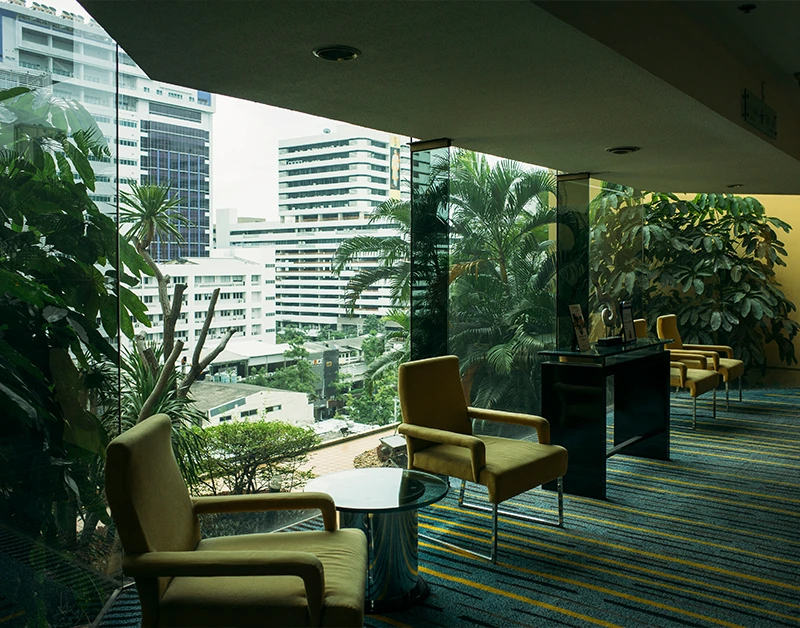
Eco-Friendly Work Environments
Many organisations now prioritise environmentally responsible workplaces as part of their corporate sustainability objectives. Green office environments can help reduce environmental impact while enhancing brand reputation.
Energy-Efficient Building Features
Modern office buildings increasingly incorporate features such as:
- LED lighting systems
- Smart energy controls
- Efficient HVAC systems
- Water-saving technologies
- Renewable energy integration
These features reduce energy consumption and operational costs.
Sustainable Facility Management
Workspace providers are also implementing sustainable practices through:
- Recycling programmes
- Waste reduction initiatives
- Sustainable cleaning products
- Paperless administrative processes
These efforts contribute to more environmentally responsible operations.
Green Certifications
Businesses should consider whether office buildings hold recognised sustainability certifications. Green certifications often indicate higher environmental performance standards and more efficient building management practices.
As environmental responsibility becomes increasingly important to investors, clients, and employees, sustainable office selection can provide both operational and reputational advantages.
Frequently Asked Questions (FAQs)
What are office rental spaces and how do they benefit businesses?
Office rental spaces are professionally managed work environments that businesses can lease instead of purchasing property. They offer flexibility, lower upfront costs, and access to fully equipped facilities, making them ideal for startups, SMEs, and growing enterprises.
What types of office rental spaces are available for modern businesses?
Common options include private offices, coworking spaces, serviced offices, and hybrid work setups. Each type of office rental space caters to different needs such as privacy, collaboration, scalability, and operational convenience.
How do I choose the right office rental space for my business?
Consider factors such as location, budget, contract flexibility, available amenities, infrastructure quality, and future growth needs. These elements help ensure the office rental space aligns with your business operations and long-term goals.
Are office rental spaces cost-effective compared to buying office property?
Yes, renting is generally more cost-effective as it eliminates large capital investments, maintenance responsibilities, and long-term financial commitments. Businesses can also better manage cash flow through predictable monthly expenses.
Can office rental spaces support business growth and expansion?
Absolutely. Flexible lease terms allow businesses to scale up or down as needed, add more workstations, or upgrade to larger spaces without major disruptions. This makes them ideal for companies experiencing rapid growth.
What should I look for in a modern office rental space?
Key considerations include high-speed internet, meeting facilities, security systems, ergonomic design, accessibility, and smart office technologies. A well-equipped office rental space enhances productivity and employee satisfaction.
Partner with Centennial Business Suites Today
Selecting the right office rental spaces is about far more than securing a place to work. The ideal workspace serves as a strategic asset that supports productivity, operational efficiency, employee wellbeing, and long-term business growth.
By carefully evaluating location, flexibility, technology infrastructure, workplace design, sustainability credentials, and future scalability, businesses can make informed decisions that align with their evolving objectives.
Whether you require a private office, serviced workspace, coworking environment, or hybrid office solution, choosing the right workspace partner can create significant value for your organisation. At Centennial Business Suites, we provide flexible and professional office solutions designed to support businesses at every stage of growth.
Contact our team today to discover how our workspace solutions can help your organisation achieve greater efficiency, flexibility, and long-term success.